Evaluation of the bachelor of applied thai traditional medicine curriculum (new curriculum 2023) based on opinions of 2nd and 3rd year students at abhaibhubejr thai traditional medicine college, prachinburi province
Keywords:
Curriculum Evaluation, Applied Thai Traditional Medicine, 2023 Revised , Curriculum, Abhaibhubejhr College of Thai Traditional Medicine, CIPP ModelAbstract
This descriptive survey study aimed to evaluate the Bachelor of Applied Thai Traditional Medicine Program, Department of Applied Thai Traditional Medicine (Revised Curriculum, B.E. 2566 [2023]), at Abhaibhubejhr College of Thai Traditional Medicine, Prachin Buri Province, based on the opinions of second- and third-year students. The population consisted of 60 second- and third-year students enrolled in the 2025 academic year. The response rate was 96.67%. The research instrument was a questionnaire that was validated by three experts, yielding an Item-Objective Congruence (IOC) index ranging from 0.67 to 1.00. The reliability of the questionnaire, assessed using Cronbach’s alpha coefficient, was 0.94. Data were analyzed using descriptive statistics.
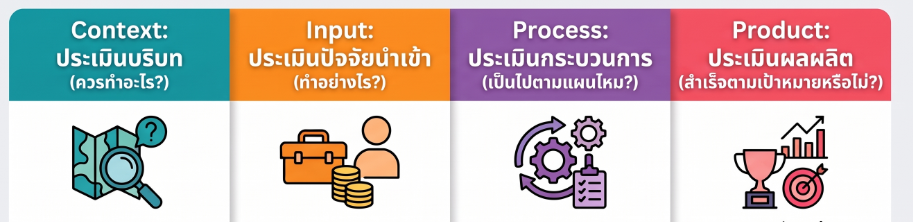
The results showed that the overall curriculum evaluation was at the highest level, with mean scores of 4.36 and 4.32 for second- and third-year students, respectively. The evaluation results were generally similar between the two groups. For the context dimension, the mean scores were 4.56 for second-year students and 4.32 for third-year students. For the process dimension, the mean scores were 4.57 and 4.49, respectively, indicating that the teaching and learning processes were well organized, particularly in terms of instructional media and assessment. However, students suggested improvements in the sequencing of courses and the equitable distribution of teaching and learning activities. For the product dimension, the mean scores were 4.26 for second-year students and 4.15 for third-year students. The input dimension received
the lowest mean score among both groups. Most students agreed that improvements were needed in facilities and public utilities. In addition, students suggested reducing the number of instructional hours to a more appropriate level and improving communication through the college’s technological platforms.
The findings can be utilized to inform the improvement and development of the Bachelor of Applied Thai Traditional Medicine Program, Department of Applied Thai Traditional Medicine, Abhaibhubejhr College of Thai Traditional Medicine, Prachin Buri Province, to better align with learners’ needs and the changing demands of society.
References
คณะอนุกรรมการการประกอบวิชาชีพการแพทย์แผนไทยประยุกต์. (2560, 21 พฤศจิกายน). ประกาศคณะอนุกรรมการการประกอบวิชาชีพการแพทย์แผนไทยประยุกต์ เรื่อง เกณฑ์มาตรฐานผู้ประกอบวิชาชีพการแพทย์แผนไทยประยุกต์ พ.ศ. 2560. ราชกิจจานุเบกษา. เล่ม 134 ตอนพิเศษ 284 ง. หน้า 12 - 21.
จุฬาลักษณ์ เทียนรุ่งรัศมี. (2560). การประเมินคุณภาพการจัดการศึกษาและผลการปฏิบัติงานของบัณฑิตสาขาวิชาการแพทย์แผนไทยประยุกต์คณะการแพทย์แผนไทยอภัยภูเบศร มหาวิทยาลัยบูรพา. วิทยานิพนธ์คณะการแพทย์แผนไทยอภัยภูเบศร มหาวิทยาลัยบูรพา.
ใจทิพย์ เชื้อรัตนพงษ์. (2539). การพัฒนาหลักสูตรและแนวปฏิบัติ. กรุงเทพฯ: โรงพิมพ์อลีนเมดดิเคิลดิเดีย.
ชัยวัฒน์ พันธ์รัศมี. (2564). การประเมินคุณภาพหลักสูตรการแพทย์แผนไทยบัณฑิต (ฉบับปรับปรุง2555) วิทยาลัยการสาธารณสุขสิรินธร จังหวัดพิษณุโลก ด้วยวิธีการประเมิน CIPPIEST ทฤษฎีของ Daniel Stufflebeam. วารสารสาธารณสุขและวิทยาศาสตร์สุขภาพ, 4(1), หน้า 66 - 76.
พระราชบัญญัติวิชาชีพการแพทย์แผนไทย พ.ศ. 2556. (2556, 12 มกราคม). ราชกิจจานุเบกษา. เล่ม 130 ตอนที่ 1 ก. หน้า 1 - 25.
วิชัย วงษ์ใหญ่ และมารุต พัฒผล. (2562). การพัฒนาหลักสูตรอิงสมรรถนะ. กรุงเทพฯ: ศูนย์ผู้นำนวัตกรรมการเรียนรู้.
วิชัย วงษ์ใหญ่. (2554). การพัฒนาหลักสูตรระดับอุดมศึกษา (พิมพ์ครั้งที่ 2). กรุงเทพฯ: อาร์ แอนด์ เอส เพรส. สภาการแพทย์แผนไทย. (2563, 15 กรกฎาคม). ประกาศสภาการแพทย์แผนไทย เรื่อง มาตรฐานวิชาชีพด้านความรู้ ความสามารถ ทักษะทางวิชาชีพการแพทย์แผนไทย. ราชกิจจานุเบกษา. เล่ม 137 ตอนพิเศษ 162 ง. หน้า 27 - 42.
สำนักงานราชบัณฑิตยสภา. (2554). พจนานุกรมฉบับราชบัณฑิตยสถาน. สืบค้นเมื่อ 21 มกราคม 2568 จากhttps://dictionary.orst.go.th/
สำนักงานเลขาธิการสภาการศึกษา. (2560). แผนการศึกษาแห่งชาติ พ.ศ. 2560 - 2579. กรุงเทพฯ: พริกหวานกราฟฟิค.
อลิษา แสงพุ่ม. (2563). แนวโน้มความต้องการหลักสูตรการแพทย์แผนไทยประยุกต์บัณฑิต. วารสารวิจัยทางวิทยาศาสตร์สุขภาพ, 14(3), หน้า 13-23.
Kolb, D. A. (1984). Experiential learning: Experience as the source of learning and development (Vol. 1, No. 1, pp. 270-289). Englewood Cliffs, NJ: Prentice-hall.
Piaget, J. (1972). Development and learning. Reading in child behavior and development, 38 - 46.
World Economic Forum. (2020). The Future of Jobs Report 2020. World Economic Forum.
Tipayamongkholgul, M. (2021). Health Disparity and Inequity in Thailand. In Equity in Health and Healthcare in Developing Countries (pp. 1 - 17). Springer, Singapore.
Downloads
Published
How to Cite
Issue
Section
License
Copyright (c) 2026 Praboromarajchanok Institute

This work is licensed under a Creative Commons Attribution-NonCommercial-NoDerivatives 4.0 International License.



